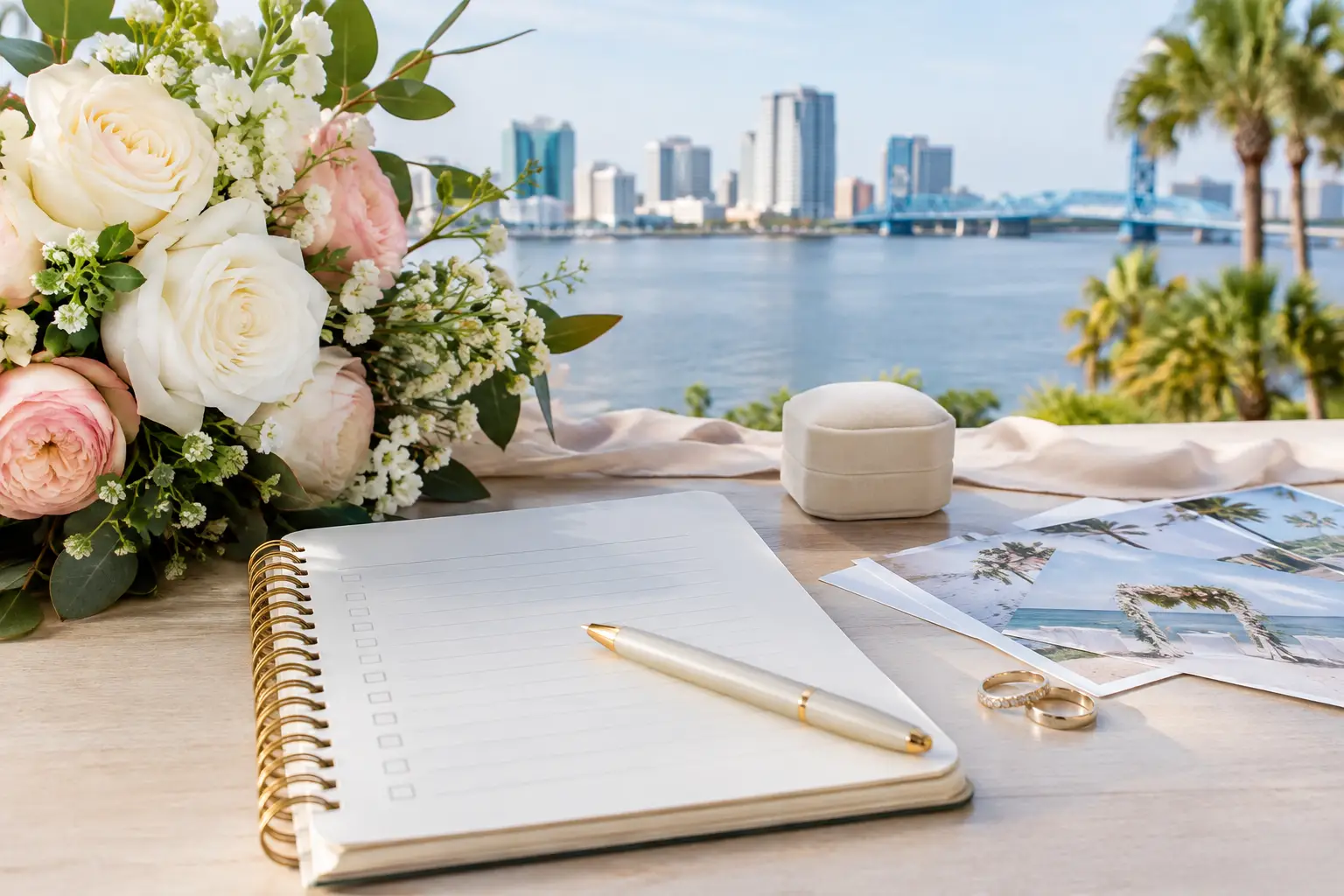

A sunrise ceremony in St. Augustine, a ballroom reception in Jacksonville, a waterfront weekend on Amelia Island – each calls for a different kind of planning. A Northeast Florida wedding magazine gives you a starting point built around the places, professionals, and practical details that shape celebrations across the First Coast.
The right local resource does more than provide beautiful photos. It helps you turn a saved image into a realistic vendor conversation, compare locations that fit your guest count, and make decisions with confidence. Whether you are newly engaged or finalizing a few meaningful details, local guidance can make the process feel far more manageable.
What a Northeast Florida Wedding Magazine Should Do for You
Wedding inspiration is everywhere, but broad national content often skips the questions that matter once you begin making calls. Can an outdoor venue handle a summer shower? Which Jacksonville spaces work well for a 200-person reception? What should guests know about travel between a St. Augustine ceremony and a beachside reception? A regional magazine is designed to connect the inspiration to those on-the-ground considerations.
Look for a resource that features local venues, real weddings, planning timelines, and professionals across every category. A strong magazine should make it easier to move from browsing to building your team, whether you need a photographer who knows the best light at your venue or a caterer experienced with your preferred style of service.
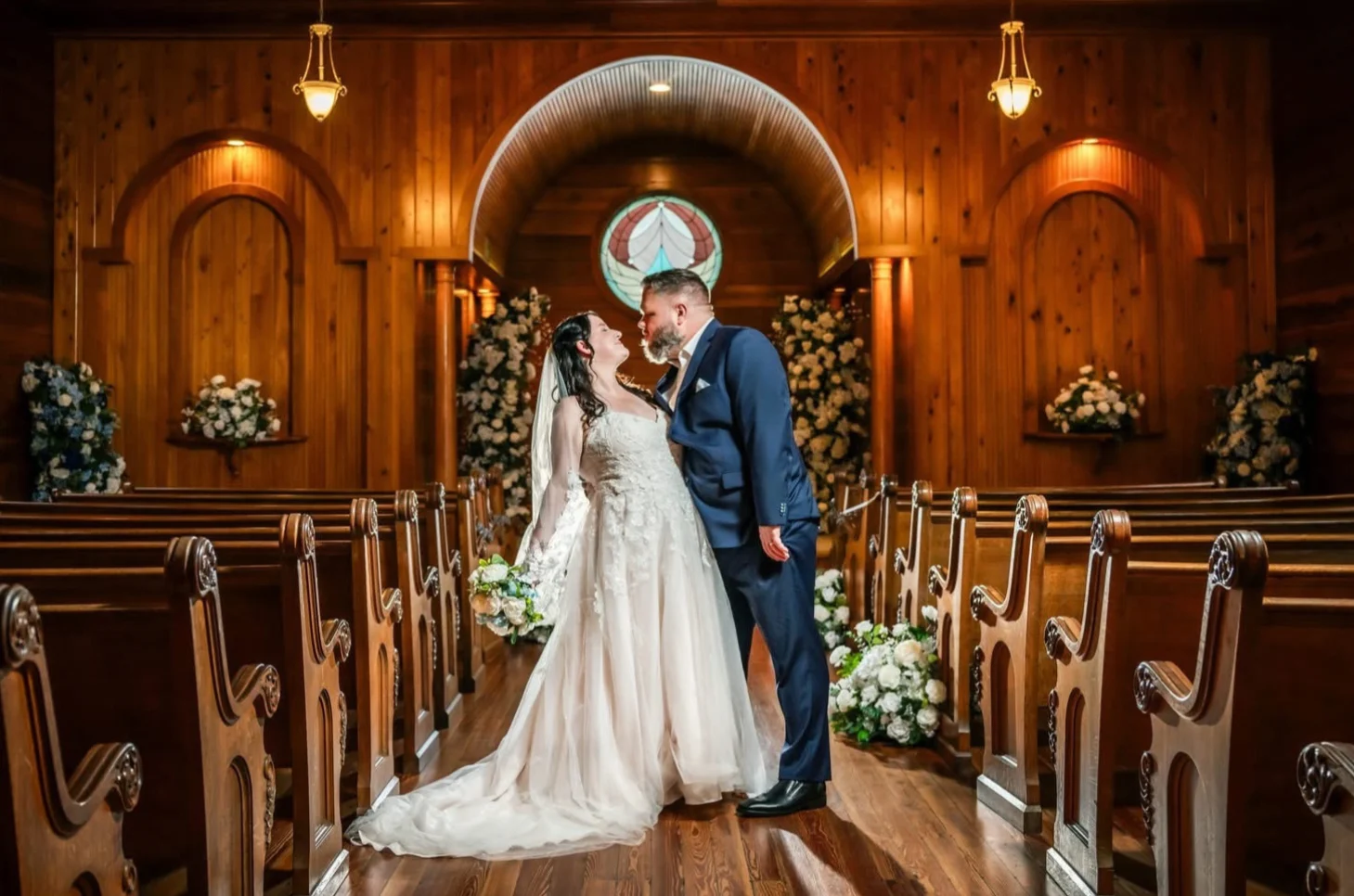
Local real weddings are especially useful because they show how couples made choices work in actual Northeast Florida settings. You can see how a color palette reads in a historic downtown space, how formal attire fits a coastal ceremony, or how a tented reception comes together in changing weather. Treat those stories as ideas, not rules. Your wedding should reflect your priorities, guest experience, and budget.
Start With Place, Then Build the Details
Northeast Florida offers remarkable range within a relatively short drive. The setting you choose will influence nearly every later decision, from your attire and floral design to transportation and the flow of the day.
Jacksonville and the Beaches
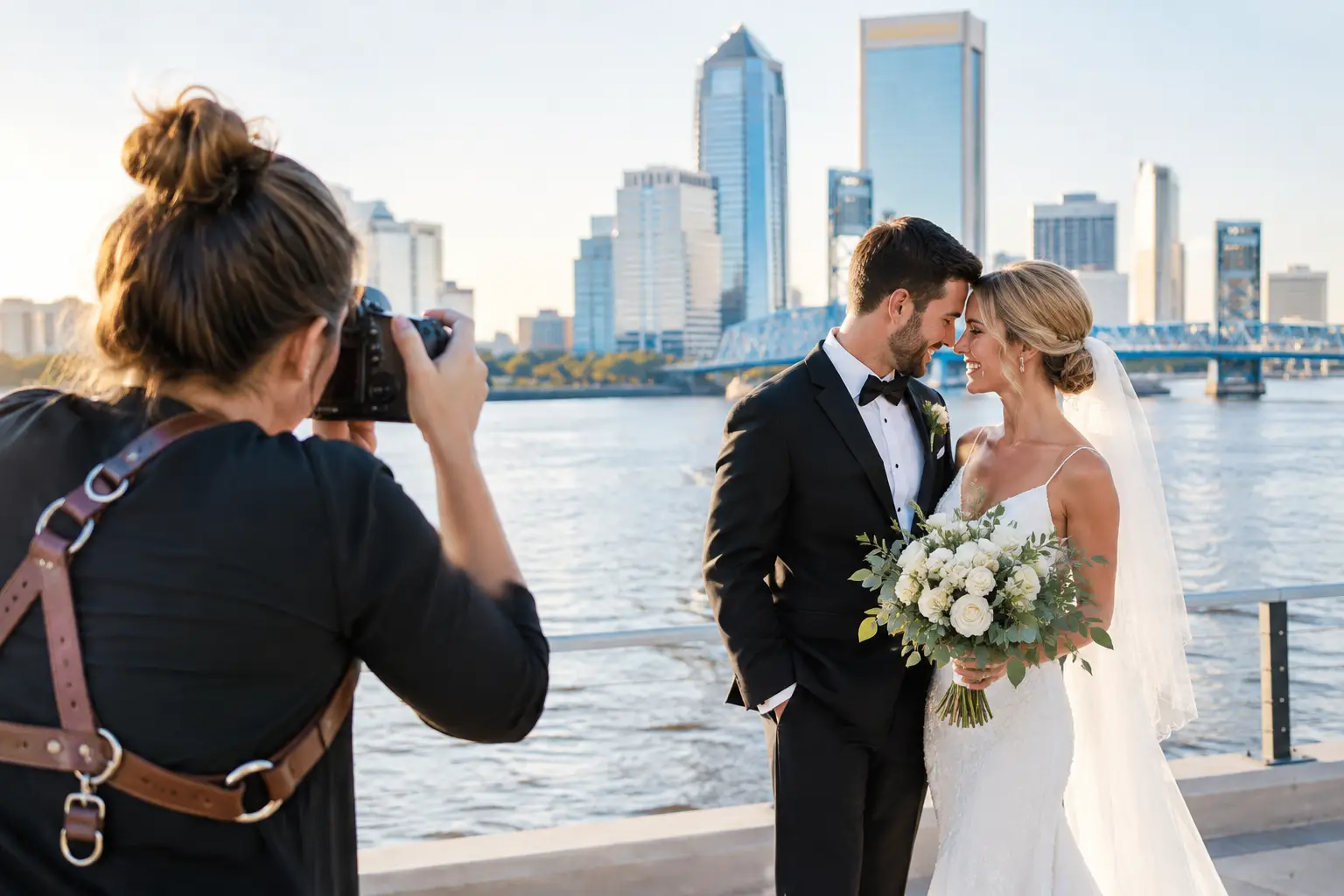
Jacksonville gives couples options from refined indoor spaces to riverfront celebrations and relaxed beach gatherings. If you are hosting many out-of-town guests, consider hotel availability, airport access, and how easily guests can move between the ceremony, reception, and after-party. For beach events, ask early about permits, public access, wind, tides, and a weather backup plan.
St. Augustine and Palm Coast
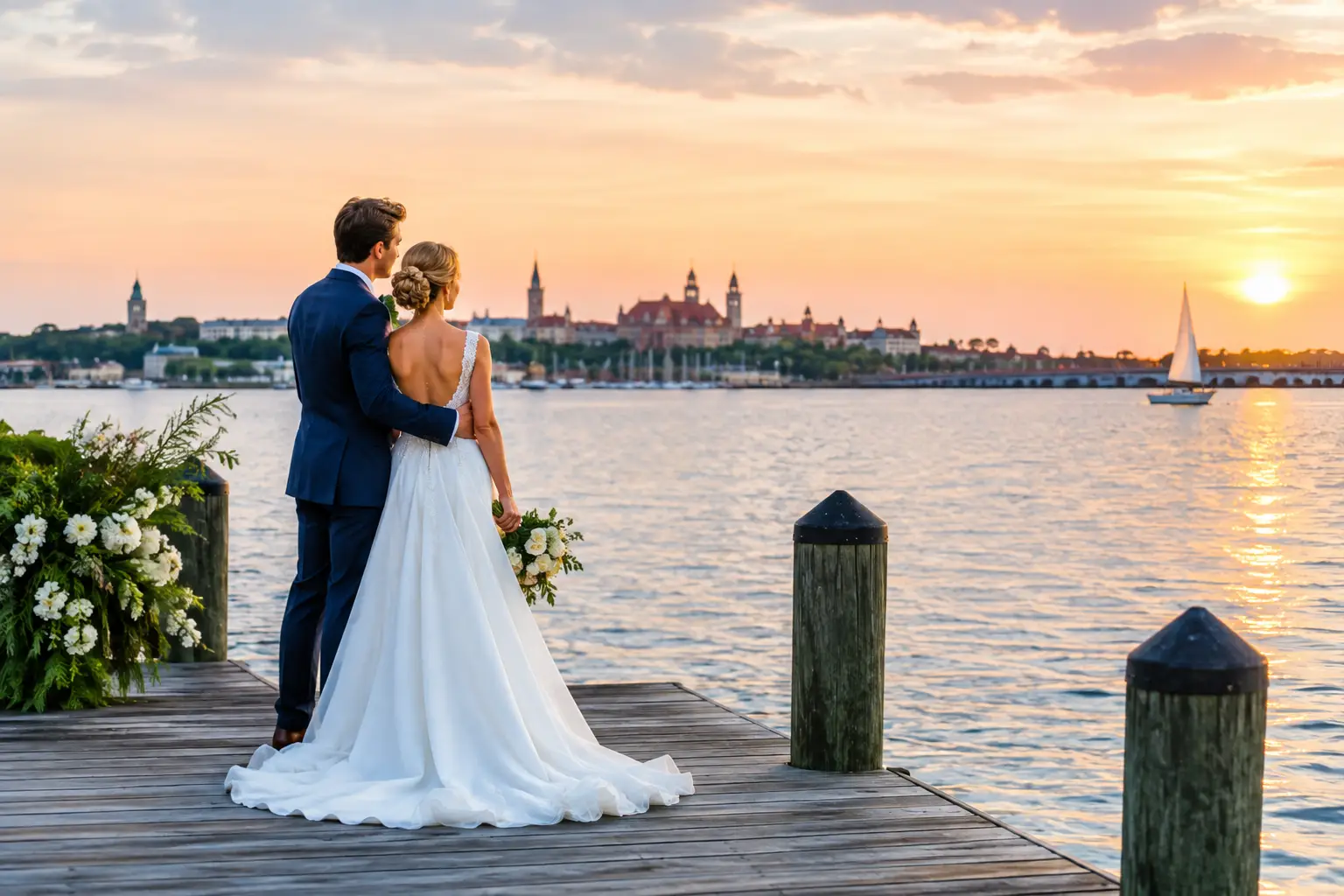
St. Augustine is a natural fit for couples drawn to historic character, intimate courtyards, and a walkable guest weekend. Its popularity also means that dates, parking, and vendor load-in plans deserve attention early. Palm Coast offers a quieter coastal feel, with opportunities for scenic ceremonies and destination-style weekends that do not require a long trip for local guests.
Amelia Island, Nassau County, and Southern Georgia
Amelia Island and nearby Nassau County appeal to couples who want a polished coastal experience with a slower pace. Southern Georgia venues can bring open landscapes, classic barns, estates, and room for a larger celebration. The trade-off is often travel time, so think through shuttle service, nearby lodging, and whether your vendor team has travel or setup fees.
Use Inspiration to Ask Better Vendor Questions
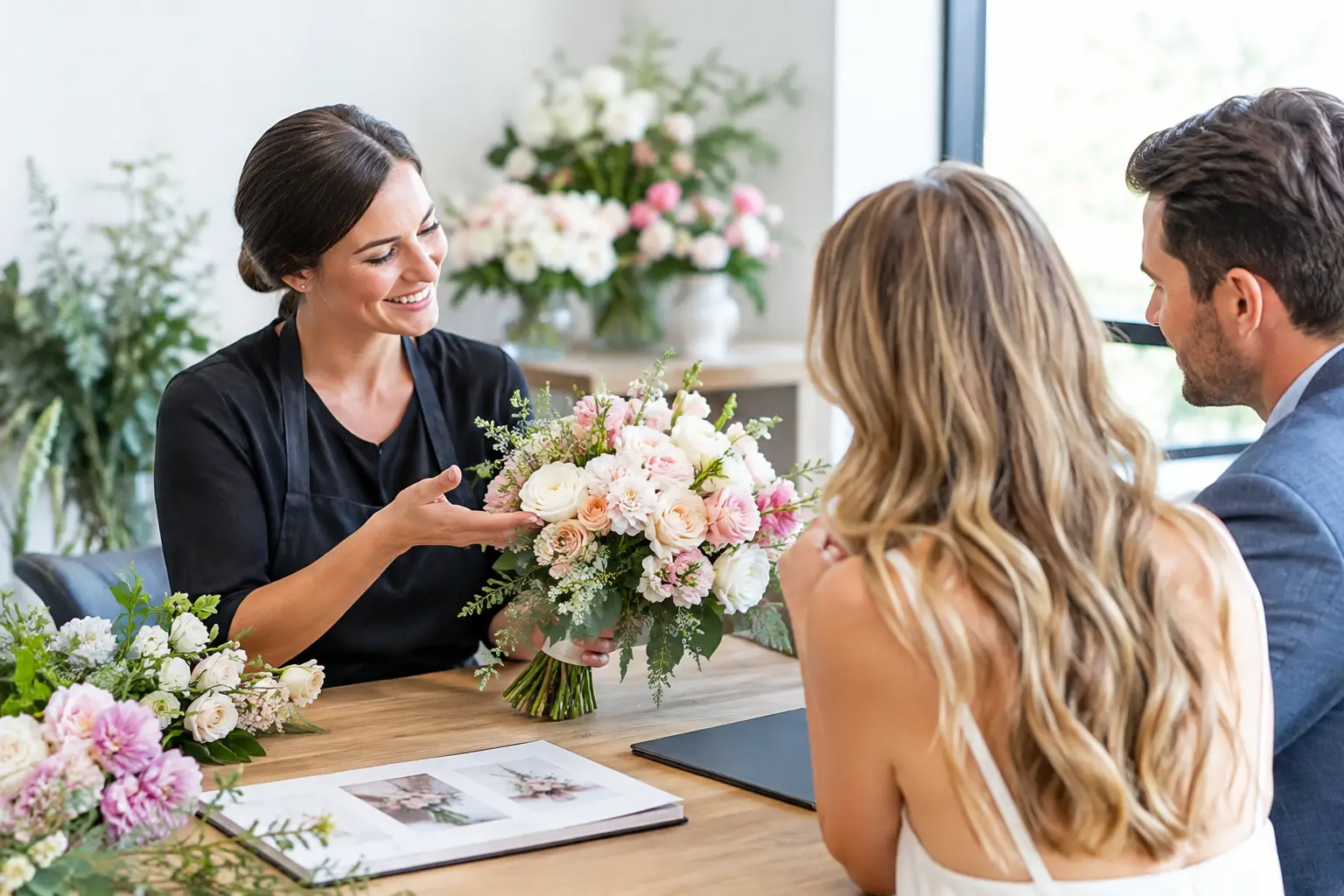
A magazine can introduce you to aesthetics you love, but its real value appears when you use those ideas to guide conversations. Instead of asking a florist to recreate a photo exactly, describe what you respond to: loose garden movement, clean modern lines, warm fall tones, or white flowers with plenty of greenery. A talented local professional can translate the feeling into a design that suits your season, venue, and budget.
The same approach applies to every category. A reception photo may help you recognize that you want long family-style tables, while a real wedding feature may reveal that you care more about a lively dance floor than elaborate tablescapes. These are useful discoveries. They help you allocate your budget toward the moments your guests will remember and the details that matter most to you.
When researching vendors, prepare a few specifics before your first conversation: your date or date range, estimated guest count, venue status, general budget comfort level, and the experience you hope to create. You do not need every answer before reaching out. Good wedding professionals can help you identify what is missing and explain the choices ahead.
Create a Local Planning Shortlist
It is easy to collect dozens of names and become more overwhelmed than when you started. Build a shortlist in stages. First, prioritize the services that affect availability and the foundation of your day: venue, planner or coordinator, photographer, catering, and entertainment. Then focus on the categories that support your style and guest experience, such as florals, rentals, beauty, stationery, transportation, and dessert.
For each vendor, look beyond a beautiful portfolio. Consider whether their work fits your event size, whether their communication style puts you at ease, and whether they have experience with your venue type. Ask about package inclusions, payment schedules, setup requirements, backup plans, and the number of events they take on in a weekend. Price matters, but clarity matters too.
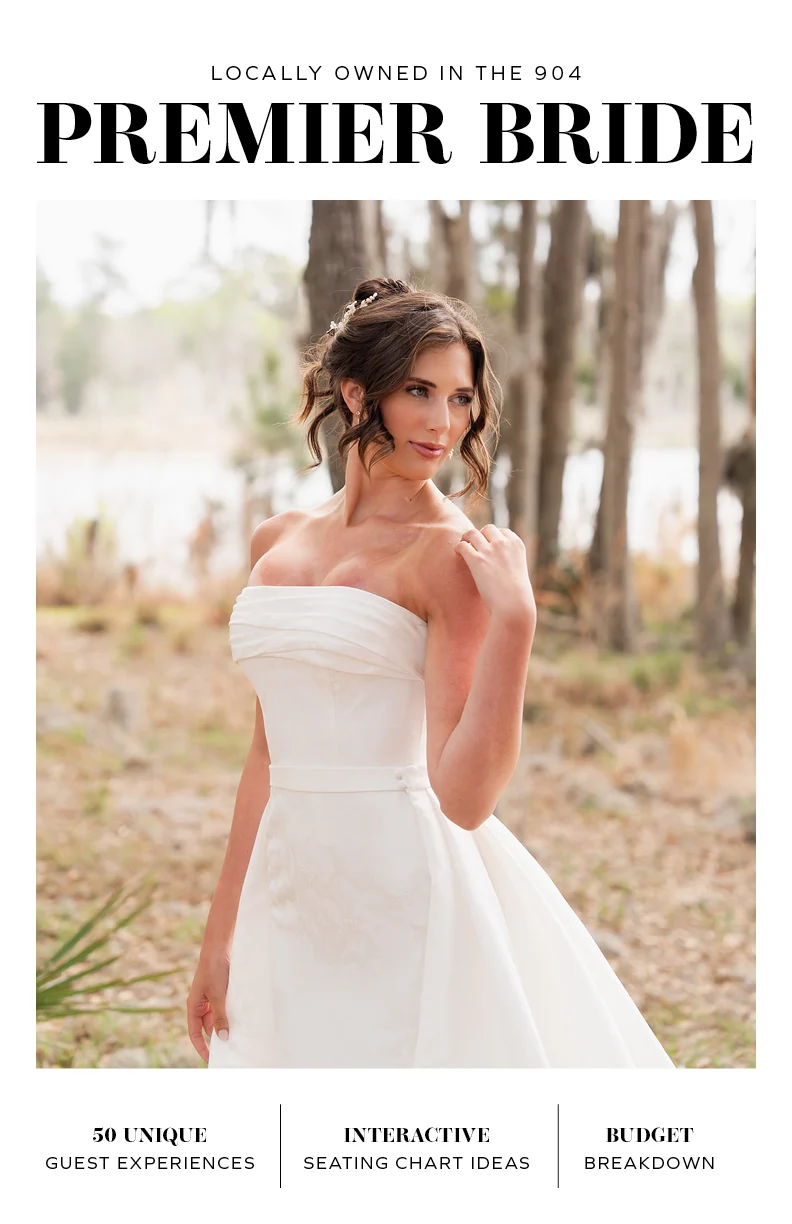
A vendor directory can save time by organizing professionals by category and location. Premier Bride Northeast Florida brings together local planning resources, real wedding inspiration, venue discovery, and professionals serving the region, making it easier to compare options without losing the local context.
Let Real Weddings Clarify Your Priorities
The most useful wedding features are not the ones that make you feel pressured to add more. They are the ones that help you picture the guest experience. Notice the practical choices behind the photographs: ceremony timing, lounge seating, welcome events, rain plans, late-night food, and transportation. Those decisions often have as much impact as the décor.
If you are planning a warm-weather wedding, pay attention to comfort. Shade, water stations, fans, lighter fabrics, and a well-timed ceremony can transform an outdoor experience. If your reception is in a historic space or remote setting, ask about power, parking, restrooms, and accessibility. These considerations are not less romantic because they are logistical. They are how you create a celebration where everyone can relax and be present.
There is also no single correct level of formality. A black-tie ballroom reception, a barefoot coastal ceremony, and a sophisticated garden dinner can all feel deeply personal. The best choice depends on how you want the day to feel, who you are welcoming, and what you want to remember when the music ends.
Make the Most of Wedding Expos and In-Person Meetings
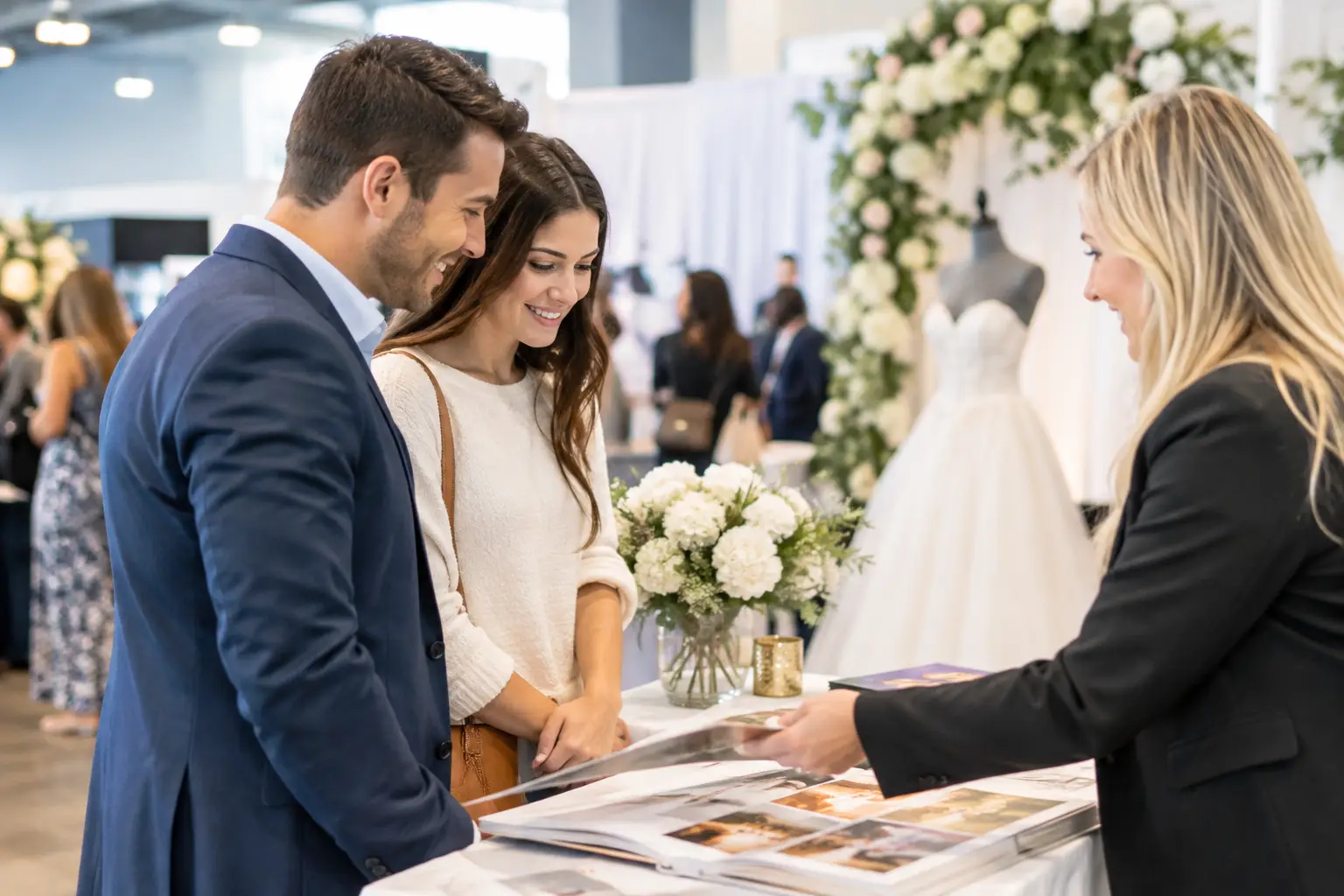
Online research is efficient, but meeting professionals in person can quickly reveal chemistry and confidence. A wedding expo is especially helpful when you are early in planning or still deciding which services deserve the biggest share of your budget. You can see work firsthand, ask focused questions, and meet several local vendors in one afternoon.
Go with a simple plan. Bring your wedding date, venue information if available, guest count, and a shared email address for planning. Choose a few priority categories rather than trying to meet everyone at once. Afterward, review your notes together while the conversations are fresh, then follow up with the professionals whose approach felt right.
Keep Your Wedding Personal and Practical
A Northeast Florida wedding magazine should leave you feeling excited, not as though your wedding must look like someone else’s. Save the ideas that genuinely fit, release the ones that do not, and let your location guide the details. A local celebration has its own advantages: knowledgeable professionals, distinctive venues, and a community that understands how to make the First Coast feel like home.
As you make each next decision, choose the option that supports the experience you want to share with the people you love. That is where planning becomes more than a checklist – it becomes the beginning of your celebration.