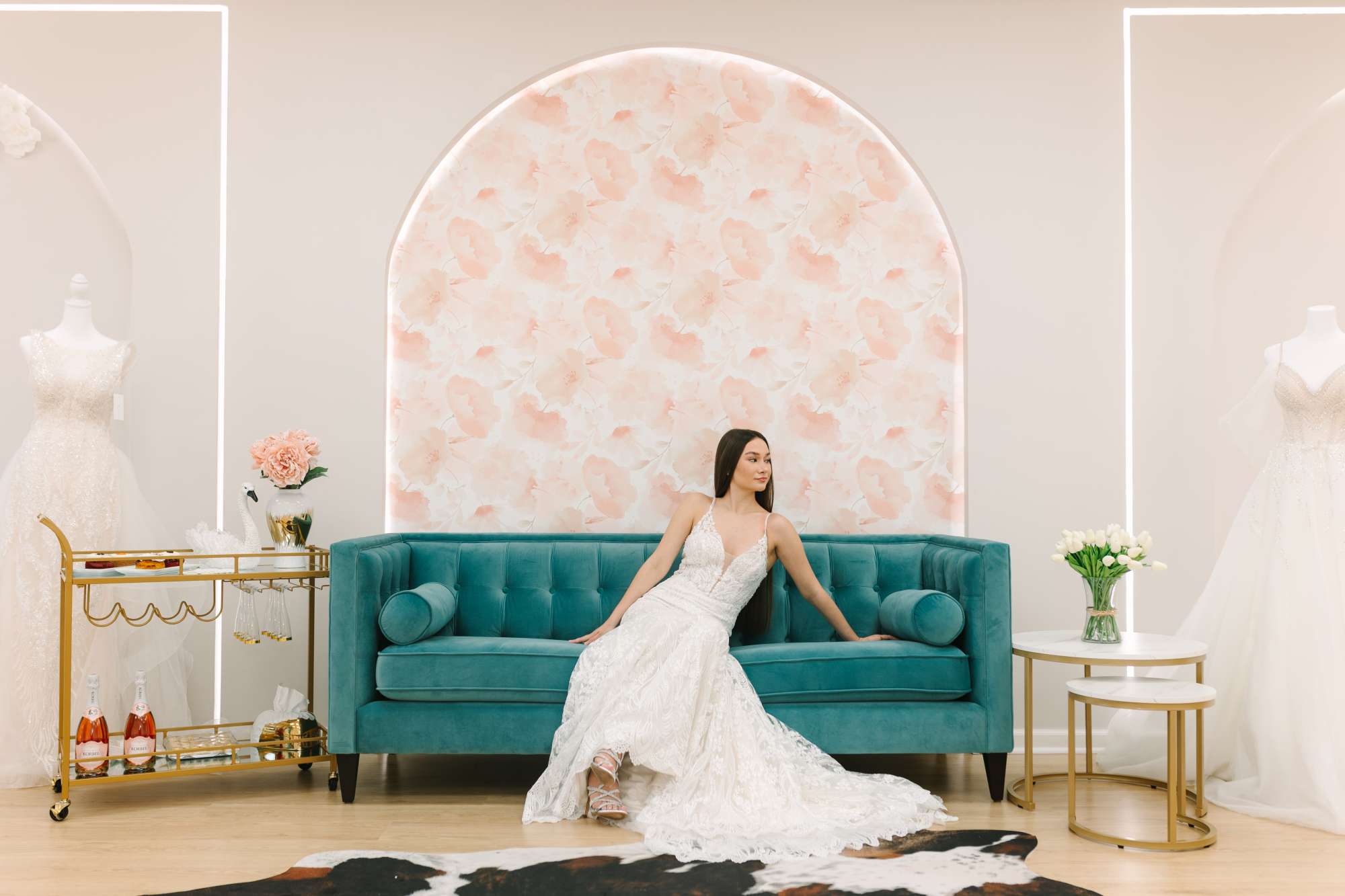

The dress may look perfect under boutique lights, but wedding dress alterations Jacksonville FL couples schedule are what make it feel like it was designed for them. A hem that clears a sandy aisle, straps that stay put through hugs, and a bodice that lets you breathe on the dance floor all come down to thoughtful fitting work. Alterations are not a last-minute detail. They are the step that turns a beautiful gown into your gown.
- The Tailor Shop
- Be That Queen Bridal
- Gown and Garter
- Lee’s Alterations
- Rachel’s Alterations
When to Schedule Wedding Dress Alterations in Jacksonville FL
For most gowns, plan to begin alterations about three months before the wedding. This window gives your seamstress time for two or three fittings without making the process feel rushed. If your gown needs significant reshaping, custom sleeves, extensive beading work, or a redesign, six months or more is a better starting point.
The first fitting usually establishes the foundation: hem length, bodice fit, strap placement, bustle options, and any changes to sleeves or neckline. A second fitting confirms those adjustments with your wedding shoes and undergarments. Your final fitting, generally one to two weeks before the celebration, is where you practice walking, sitting, raising your arms, and moving as you will on the day.
Jacksonville’s busy wedding season can affect availability. Spring and fall are especially popular across the First Coast, from downtown celebrations to coastal ceremonies in St. Augustine and Amelia Island. Book your alteration professional as soon as your dress arrives, rather than waiting until you are ready for the first appointment.
What to Bring to Every Fitting
A great fitting depends on having the same pieces you will wear on your wedding day. Bring your gown in its garment bag, your exact shoes, and the undergarments or shapewear you plan to wear. Even a small heel-height change can alter the hemline, and a different bra can change the placement of the bodice.
If you are wearing a veil, cape, overskirt, detachable sleeves, or statement jewelry that could catch on the gown, bring those to a later fitting. It helps the seamstress see the complete look and spot potential issues before the wedding morning. For a dress with a train, invite the person who will handle your bustle to the final appointment. A maid of honor, parent, or planner can learn the steps, take a short video, and practice once or twice.
Try to keep your routine consistent in the weeks leading up to alterations. Bodies naturally fluctuate, and there is no need to chase a particular number before your wedding. Still, major changes after the final fitting may require additional work. The goal is a gown that fits the body you have and feels comfortable for a full, emotional day.
The Alterations That Matter Most
Nearly every gown needs some alteration, even when it was ordered close to your measurements. Bridal sizing is not everyday clothing sizing, and gowns are made to be adjusted. Hemming and taking in the bodice are common, but the best alterations are often the ones that improve movement and confidence.
Hem and train adjustments
Your hem should skim the floor when you are standing naturally in your wedding shoes. Too long, and it becomes a tripping risk or drags through grass, brick, and beach sand. Too short, and the gown can look unfinished in photos. Lace, horsehair trim, appliqué, and layered tulle make hemming more labor-intensive, so ask about the construction of your specific gown before estimating cost.
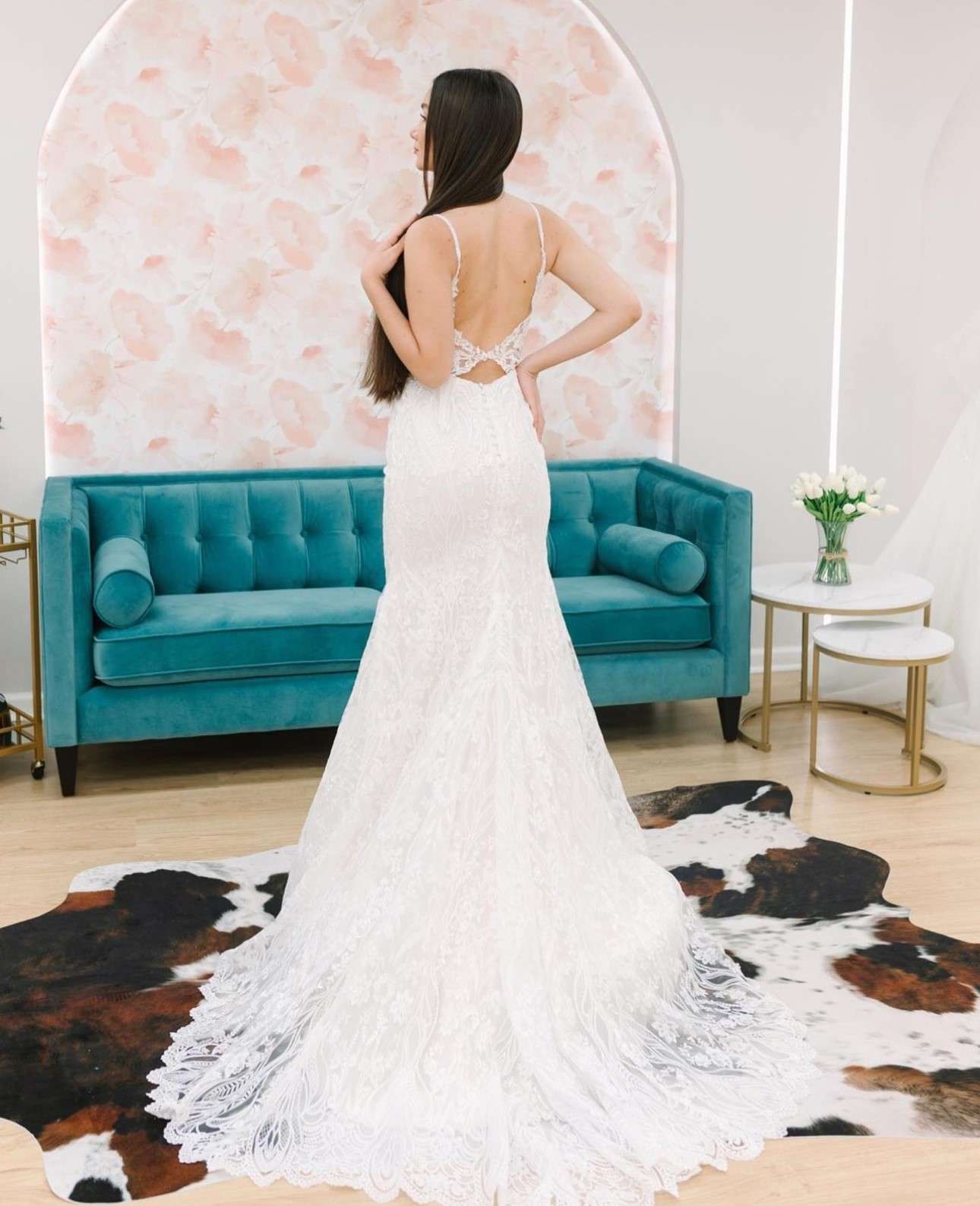
For gowns with trains, a bustle is essential if you want to dance freely after the ceremony. Your seamstress may recommend an American bustle, French bustle, ballroom bustle, or another option based on the fabric and train shape. There is no universal best choice. The right one supports the dress cleanly and is simple enough for your chosen helper to manage.
Bodice, straps, and support
A secure bodice should feel supportive without pinching or limiting your breath. Cups can be adjusted, straps shortened, and side seams refined to reduce gaping. If you chose an off-the-shoulder gown, fitted sleeves, or a corset back, test your range of motion at the fitting. You should be able to hug your partner, lift a glass, and move through the ceremony without constantly readjusting.
Some gowns can be let out slightly, while others have limited seam allowance. If your dress is too small, do not assume a seamstress can create several extra inches without changing the design. A lace-up back panel or carefully matched fabric may be possible, but it depends on the gown and the materials available.
Personal design changes
Alterations can also help a gown better reflect your style. Couples may add sleeves for a church ceremony, remove straps for a reception look, reshape a neckline, add buttons, or adapt a parent or grandparent’s dress into a meaningful detail. These changes take skill and additional time, particularly when beadwork or delicate lace is involved.
Bring inspiration photos, but stay open to your professional’s guidance. A change that looks effortless on one silhouette may not work the same way on another. An experienced bridal seamstress can explain what will preserve the structure and beauty of your specific gown.
Jacksonville Weather and Venue Details to Consider
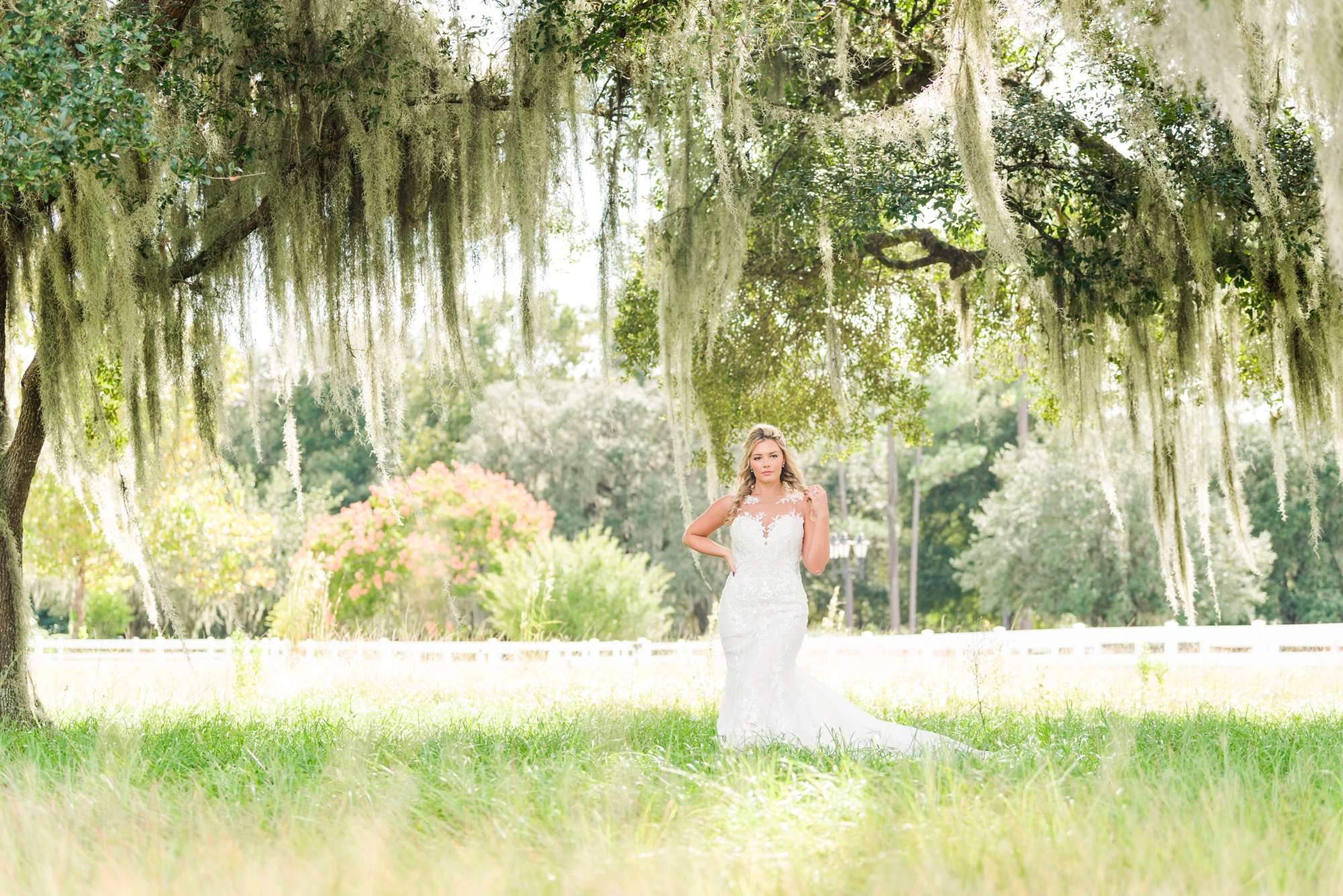
Northeast Florida weddings ask a lot of formalwear. Summer humidity, coastal breezes, warm patios, historic streets, and outdoor ceremony sites can all influence how a gown performs. A heavier fitted dress may be stunning for an indoor ballroom reception, while a lightweight crepe, chiffon, or tulle gown may feel more comfortable for a beach ceremony or garden venue.
Talk through your location at the first fitting. If you will walk on sand at Jacksonville Beach, Amelia Island, or Ponte Vedra, consider whether you want a bustle installed before the reception and how you will manage the train during portraits. For St. Augustine settings with uneven brick or courtyards, a precise hem and comfortable shoes are especially valuable. A small bustle loop or temporary solution may help during travel between ceremony and reception spaces.
Weather is not a reason to compromise your vision. It is simply a reason to plan for movement, fabric weight, and a realistic timeline. Your dress should support the experience you want, whether that means an elegant cathedral-length train for the ceremony or an easy reception bustle for a packed dance floor.
How to Choose the Right Alterations Professional
The lowest quote is not always the best value when a gown includes intricate lace, delicate silk, illusion mesh, or detailed beading. Look for a professional with specific bridal experience and ask to see examples of similar work. A seamstress who understands wedding gowns knows how construction, boning, linings, trains, and embellishments affect each adjustment.
Before booking, ask how many fittings are included, when the gown will be ready, how last-minute changes are handled, and whether bustle instruction is part of the service. Request a clear estimate after the gown is assessed. Simple alterations may be straightforward, while layered hems, major resizing, and custom changes can vary considerably in cost.
Trust your comfort level, too. You should feel heard when you explain your priorities, whether that is freedom to dance, modest coverage, a perfectly fitted waist, or preserving a sentimental detail. The right professional will offer practical options instead of promising changes that the gown cannot support.
Your Final Fitting Is a Dress Rehearsal
Do not treat the final appointment as a quick pickup. Wear your complete foundation pieces and shoes, then move with purpose. Sit down, take a few steps quickly, turn, lift your arms, and practice the motions you expect during the celebration. If something rubs, shifts, or feels overly tight, say so before you leave.
Confirm how the gown should be transported and steamed, especially if you are getting ready at a hotel, beach house, or venue. Ask who should hold the train, how the bustle fastens, and what to do if a button or hook comes loose. A small emergency kit with safety pins, fashion tape, a needle, thread, and stain-removal supplies can offer peace of mind, but it is not a substitute for a careful final fitting.
Your wedding dress should not demand your attention once the day begins. With enough time, the right local expertise, and a few practical fitting decisions, it can carry you comfortably from the first look to the final song. As you build your Northeast Florida vendor team, Premier Bride can help you find trusted local professionals who understand how every detail comes together.